
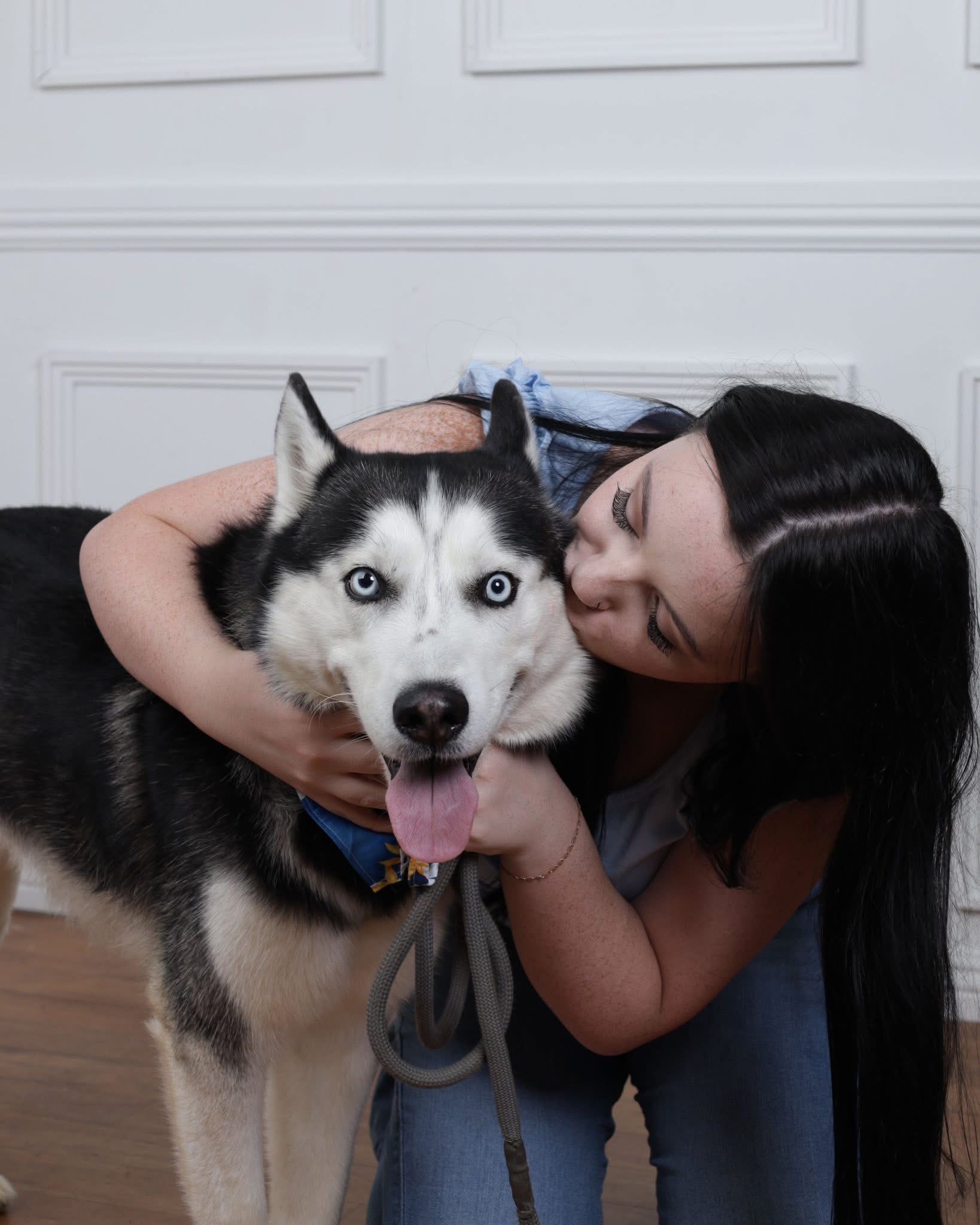
TailsbyTay
Honolulu, HI
I have plenty of hands-on experience caring for animals while working at Furever Friends, which is a…
14 dog walkers available in Honolulu
| Service | Typical range (USD) |
|---|---|
| 30-minute solo walk | $18–$30 |
| 60-minute solo walk | $33–$40 |
| Group walk | $14–$20 |
| Drop-in visit | $20–$26 |
| Overnight sit | $55–$110 |
Rates exclude tax. Honolulu's median Rover walk lands around $20 for 30 minutes, but Hawaii's extreme cost of living pushes real rates to the high end — professional walking companies commonly charge $32–$35 (all figures estimates; Honolulu runs at or above the US national average of ~$21.45). An hour runs roughly $33–$40, five walks a week about $115–$130/week (~$460–$520/month estimated), and full-day daycare $40+. Book someone genuinely local — Oahu traffic between Kailua, town, and the west side is brutal (Kakaako, Waikiki, Manoa, Hawaii Kai, Kalihi). Solo walks cost more than group; early-morning slots fill fast because of the heat. SnoutWalker takes zero commission, so the walker keeps 100%.
Never hire a walker who won't meet your dog before the first booking. A good walker wants this — it's how they assess whether your dog is a fit for them, too. Watch how they greet your dog: do they crouch, let the dog approach, and ignore them for a moment, or do they loom over and reach straight for the head? The first is a professional; the second just likes dogs.
They ask you more questions than you ask them — recall, triggers, medical history, what they'd do if a coyote or another dog appears. They send photo updates unasked. They're clear on cancellation policy and rates. They say no to dogs they can't handle.
Vague answers about what happens when something goes wrong. No insurance. No written agreement. Won't say which other dogs are in the group. Cash-only with no records. Will take any dog, any size, any temperament, no questions. Prices well below everyone else with no explanation.
Your dog's microchip number and its registry, your city licence tag number, current photos, your vet's contact, and a second emergency contact who isn't you. If a walker doesn't ask for these, ask yourself why.
Since July 1, 2020, the City and County of Honolulu no longer issues dog licenses. Instead, all dogs three months and older (and cats four months and older) must be microchipped; the Hawaiian Humane Society — which contracts with the city for animal control on Oahu — implants a chip for about $20 (estimate — [VERIFY] current fee). Because Hawaii is rabies-free, the mainland rabies-tag routine does not apply here.
Under the Revised Ordinances of Honolulu, Chapter 12 (Animals & Fowl), Article 4, a dog on any public street, school ground, or other public place — or on private property without consent — is a stray unless under control on a leash no longer than eight feet. On the owner's own premises outdoors the dog must be attended and on a leash no longer than six feet, under the control of someone 18 or older. Off-leash is permitted only inside a designated dog park. Reported penalties run about $50 for a first offense, up to $1,000 and possible jail for repeats — [VERIFY] these fine amounts against the ordinance before relying on them. Animal control is run by the Hawaiian Humane Society; HPD leads dangerous-dog and nuisance investigations under Chapter 12.
Hawaii is a negligence state for dog injuries (HRS § 663-9 / § 663-9.1): an owner or harborer is liable if they failed to use reasonable care to prevent the injury — the statute removed the need to prove the dog's prior dangerous propensity, but it is not strict liability (Hawaii courts, e.g. Hubbell v. Iseke, treat it as negligence). A walker who keeps or handles the dog owes that reasonable-care duty. For walkers, the biggest controllable risk is an eight-foot-leash or at-large violation — leash to the rule and carry your own insurance. (See the Hawaii law tab.)
Most Oahu dog parks close Tuesday mornings for maintenance; dogs must be leashed to and from the run.
Honolulu's defining challenge is year-round tropical heat and humidity — there is no cool season to plan around.
Relocating a pet? Hawaii is rabies-free and enforces a strict import quarantine to keep it that way — the 120-day program or, with advance rabies titer testing and paperwork, the 5-Day-Or-Less (often direct airport release) program. Plan months ahead. A walker who talks fluently about dawn/dusk timing, hot pavement, ocean rinses, and centipedes is a Honolulu walker.
Hawaii is a negligence state: HRS § 663-9 reads like strict liability, but the courts (Hubbell v. Iseke) held it only removes the scienter requirement — a bite victim still proves the owner or harborer failed to use reasonable care.
These state-level rules apply across Hawaii; the local rules that govern day-to-day walking are on the Local bylaws tab.
Despite statutory language that looks strict, Hawaii is a negligence state for dog bites. HRS § 663-9(a) makes the owner or harborer liable when the animal proximately causes injury regardless of lack of scienter of the animal's vicious or dangerous propensities. But in Hubbell v. Iseke the Hawaii appellate court held § 663-9 does not establish strict liability — it merely clarifies that a victim suing in negligence does not have to prove scienter. So the owner's prior knowledge of a dangerous propensity is not required; what the victim must show is that the owner or harborer's conduct was unreasonable.
The statute reaches the owner or harborer of the animal — language broad enough to capture whoever is keeping or handling the dog, not just the titled owner. The live question is whether that person used the ordinary care a reasonably prudent person would use to prevent the injury: duty, breach, causation, damages. § 663-9(b) adds that an owner or harborer of an animal known by its species or nature to be dangerous, wild, or vicious is absolutely liable. Defenses in § 663-9.1 cut off liability where the animal was teased, tormented, or abused without the owner's involvement, where the use of the animal was justified, or where the injured person entered premises posted with an adequate warning.
There is no statewide leash law — county ordinances govern. On O'ahu, the Revised Ordinances of Honolulu make it unlawful to let a dog become a stray (off-property and not under physical restraint by a leash of eight feet or less), and a violation is evidence of negligence (Hawaii has not adopted formal negligence per se). Dogs must be licensed with their county with current rabies vaccination. Notably, Hawaii is rabies-free and enforces strict animal import and quarantine rules (FAVN test plus vaccination for the 5-day-or-less or direct-release program, or up to 120-day quarantine) to keep that status.
Hawaii applies modified comparative negligence with a 51% bar (HRS § 663-31): a plaintiff whose fault is greater than the defendants' combined fault recovers nothing, and otherwise recovery is reduced by the plaintiff's share. The personal-injury statute of limitations is two years (HRS § 657-7), generally from the date of injury, subject to the discovery rule.
A 30-minute walk in Honolulu runs roughly $18 to $30, with a Rover median near $20 and professional companies charging $32 to $35 (all estimates). That is at or above the national average of about $21.45 — Hawaii's high cost of living pushes rates up. An hour is roughly $33 to $40. Group walks cost less per dog; solo walks for large or reactive dogs cost more.
No. Since July 1, 2020, the City and County of Honolulu no longer issues dog licenses. Instead, all dogs three months and older must be microchipped, and the Hawaiian Humane Society implants a chip for about $20 (estimate — confirm the current fee). Rabies vaccination is not part of Hawaii life the way it is on the mainland, because Hawaii is the only rabies-free state.
Under the Revised Ordinances of Honolulu Chapter 12, Article 4, a dog on any public street, school ground, or other public place — or on private property without consent — must be under control on a leash no longer than eight feet, or it is treated as a stray. Off-leash is allowed only inside a designated dog park. Reported fines start around $50 and can rise to as much as $1,000 for repeat offenses, but confirm the current penalty against the ordinance itself before relying on an amount.
Possibly, but not automatically. Hawaii is a negligence state, not a strict-liability state (HRS section 663-9): an owner or harborer is liable only if they failed to use reasonable care to prevent the injury. Hawaii courts (for example Hubbell v. Iseke) confirm the statute removed the need to prove the dog's prior dangerous history but did not create automatic liability. So if you were leashed and genuinely careful, you may not be liable — the case turns on reasonable care, and a walker who keeps the dog owes that same duty.
Oahu has nine off-leash dog parks. The best known are Hawaii Kai Dog Park (the largest, about 1.65 acres, on Keahole Street), Diamond Head Bark Park (established 1997, with a separate small-dog area), Moiliili Dog Park at Kalo Place Mini Park, and Moanalua Dog Park (the city's first). Most close Tuesday mornings for maintenance. Dogs must be leashed to and from the run.
Ask whether they carry liability insurance, whether they have pet first aid training, how many dogs yours would be walked with, what they would do if your dog slipped its collar, and how they handle the tropical heat and hot pavement. Always arrange a meet-and-greet first and ask for two client references.
No. SnoutWalker charges zero commission. Walkers set their own rates and keep 100 percent of what they earn. Every walk is GPS-tracked and owners receive a photo report card after each walk.
I have plenty of hands-on experience caring for animals while working at Furever Friends, which is a…