
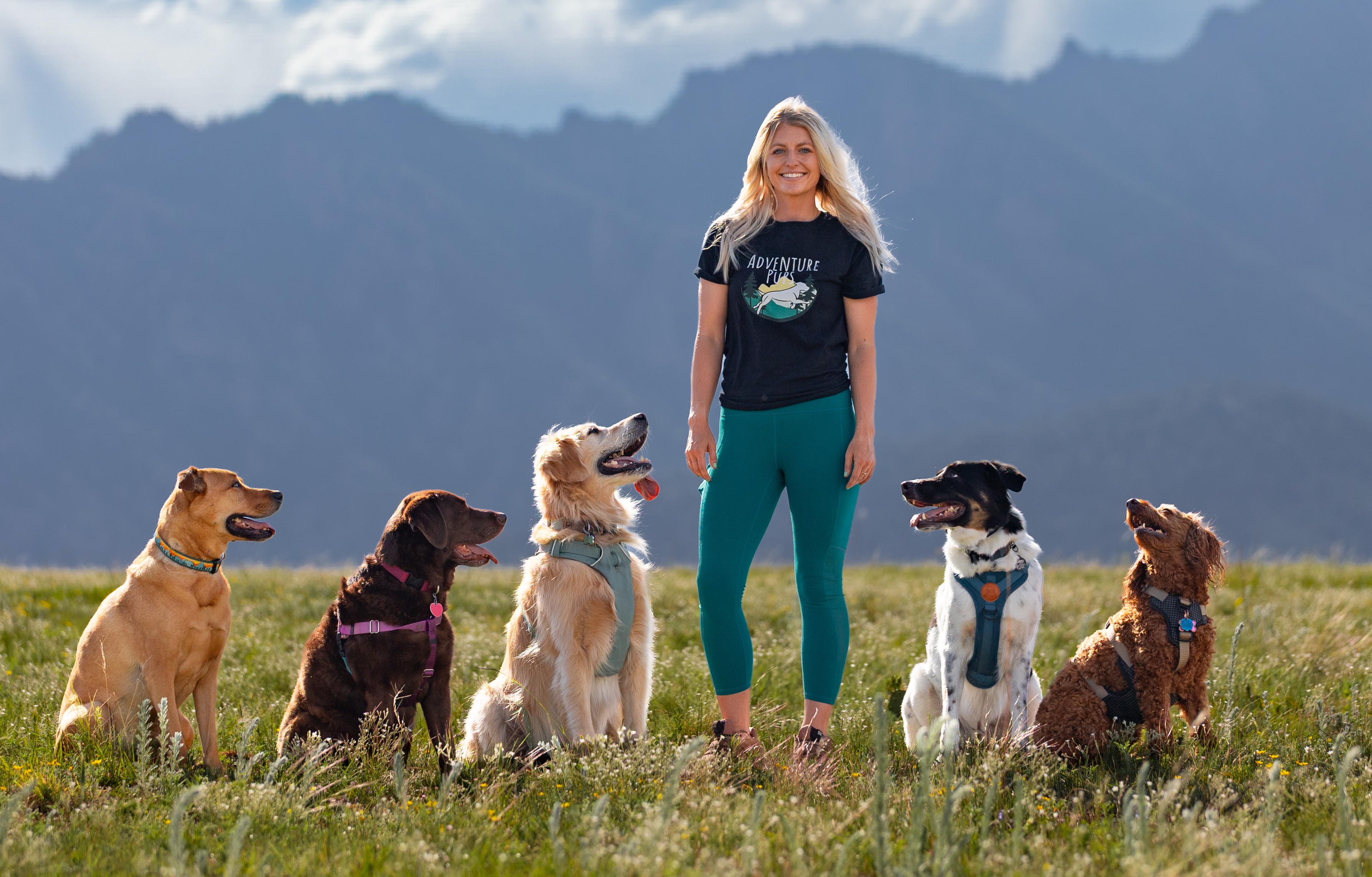
Adventure Pups LLC
Colorado Springs, CO
At Adventure Pups, we believe every dog deserves more than just a walk around the block with a dog w…
13 dog walkers available in Colorado Springs
| Service | Typical range (USD) |
|---|---|
| 30-minute solo walk | $18–$27 |
| 60-minute solo walk | $32–$37 |
| Group walk | $13–$19 |
| Drop-in visit | $20–$25 |
| Overnight sit | $42–$85 |
Rates exclude tax. Colorado Springs is a solid mid-market — about $23 for a 30-minute walk (estimates from Rover/Care.com listings run roughly $18–$27), just above the US national average (~$21.45) and a touch gentler than Denver. An hour runs about $35, five walks a week about $115/week (~$460/month), and full-day daycare about $37. The city is spread out against the mountains (Old Colorado City, Briargate, Broadmoor, Powers), so a walker near you prices better. Solo walks cost more than group. SnoutWalker takes zero commission, so the walker keeps 100%.
Never hire a walker who won't meet your dog before the first booking. A good walker wants this — it's how they assess whether your dog is a fit for them, too. Watch how they greet your dog: do they crouch, let the dog approach, and ignore them for a moment, or do they loom over and reach straight for the head? The first is a professional; the second just likes dogs.
They ask you more questions than you ask them — recall, triggers, medical history, what they'd do if a coyote or another dog appears. They send photo updates unasked. They're clear on cancellation policy and rates. They say no to dogs they can't handle.
Vague answers about what happens when something goes wrong. No insurance. No written agreement. Won't say which other dogs are in the group. Cash-only with no records. Will take any dog, any size, any temperament, no questions. Prices well below everyone else with no explanation.
Your dog's microchip number and its registry, your city licence tag number, current photos, your vet's contact, and a second emergency contact who isn't you. If a walker doesn't ask for these, ask yourself why.
Pet licensing is required for all dogs over four months in Colorado Springs and El Paso County, administered by the Humane Society of the Pikes Peak Region (HSPPR), with a valid rabies certificate required and one-year or three-year terms. [VERIFY the current license fee with HSPPR before relying on an amount.]
Under the Colorado Springs City Code (§ 9.9.302 dogs at large and § 6.7.107 duty to restrain), a dog must not run at large — it must be restrained by leash, collar, or confinement off the owner's property — and all dogs must be leashed in city parks and on city trails, off-leash only inside a designated dog park. Dogs must be licensed and inoculated to use dog-park facilities, no more than three per person. [VERIFY the current at-large fine with the city.]
Colorado runs a two-track rule under C.R.S. § 13-21-124: strict liability for economic damages when a bite causes serious bodily injury or death (the dog's history is irrelevant), and a one-bite / negligence standard for lesser injuries. Crucially, a professional dog handler or walker is exempt — someone acting as a professional handler cannot use the strict-liability statute if THEY are the one bitten (assumed risk) — so a walker's protection is careful handling and their own insurance. (See the Colorado law tab.)
Colorado Springs sits above 6,000 ft at the foot of Pikes Peak, and its high-altitude, foothill setting shapes every walk.
A walker who talks fluently about altitude, afternoon thunderstorms, foxtails, and rattlesnakes on the foothill trails is a Colorado Springs walker.
Colorado is a two-track state — strict liability (economic damages only) for serious injury or death, negligence for the rest — and it expressly exempts professional dog handlers from suing under the statute.
These state-level rules apply across Colorado; the local rules that govern day-to-day walking are on the Local bylaws tab.
Colorado (C.R.S. § 13-21-124) splits by injury severity. For serious bodily injury or death, the statute imposes strict liability — but for economic damages only (medical bills, lost wages), regardless of the dog's history. For lesser injuries, a victim must proceed under negligence or one-bite (prove the owner knew or should have known, or was negligent; a leash violation is negligence per se). The statute defines dog owner broadly — owning, possessing, harboring, keeping, or having control or custody — so a walker can be a statutory owner for the strict-liability track.
The statute lists exemptions from strict-liability recovery: trespassers, property posted beware of dog or no trespassing, someone knowingly provoking the dog, working farm or hunting dogs, and — notably — professional dog handlers, trainers, vets, and groomers acting in their duties (§ 13-21-124(5)(e)). This is an assumption-of-risk carve-out: if a client's dog bites you on the job, you generally cannot use the strict-liability statute against the owner (as with California's veterinarian's rule).
There is no statewide leash law — rules are local (for example, Denver requires a leash no longer than 6 ft, Municipal Code 8-16), and a violation is negligence per se. Non-economic damages are capped around $350,000 (with exceptions for disfigurement or permanent impairment), and the dangerous-dog criminal law (§ 18-9-204.5) runs from misdemeanor to felony. The personal-injury limit is two years.
A 30-minute walk in Colorado Springs typically runs $18 to $27, averaging about $23 by our estimate from Rover and Care.com listings — just above the national average of about $21.45 and a little gentler than Denver. An hour is roughly $35; five walks a week works out to about $115 per week or $460 per month. Group walks cost less per dog.
Yes. Pet licensing is required for all dogs over four months living in Colorado Springs and El Paso County, administered by the Humane Society of the Pikes Peak Region, with a valid rabies certificate required. Licenses come in one-year or three-year terms; confirm the current fee with HSPPR before relying on an amount.
Under the Colorado Springs City Code (sections 9.9.302 and 6.7.107), a dog must not run at large — it must be restrained by leash or confinement off the owner's property, and all dogs must be leashed in city parks and on city trails, off-leash only inside a designated dog park. Confirm the current at-large fine with the city.
Possibly. Colorado runs a two-track rule under section 13-21-124 of the Colorado Revised Statutes: strict liability for economic damages if a bite causes serious bodily injury or death, regardless of the dog's history, and a one-bite or negligence standard for lesser injuries. So even a leashed dog that inflicts a serious bite can expose the owner to strict liability. A professional dog walker or handler who is bitten while working cannot use the strict-liability statute, so a walker's real protection is careful handling and their own insurance.
Fenced off-leash options include Bear Creek Dog Park (about 25 acres with a separate small and senior section), Rampart Park Dog Park, and Cheyenne Meadows Dog Park. The city also allows off-leash under voice control in parts of Red Rock Canyon Open Space, Palmer Park, and Garden of the Gods — check current signage, since rules vary by area.
Ask whether they carry liability insurance, whether they have pet first aid training, how many dogs yours would be walked with, what they would do if your dog got loose near the foothills, and how they handle keys. Ask specifically how they handle high-altitude sun, summer thunderstorms, and rattlesnake country. Always arrange a meet-and-greet first and ask for two client references.
No. SnoutWalker charges zero commission. Walkers set their own rates and keep 100 percent of what they earn. Every walk is GPS-tracked and owners receive a photo report card after each walk.
At Adventure Pups, we believe every dog deserves more than just a walk around the block with a dog w…